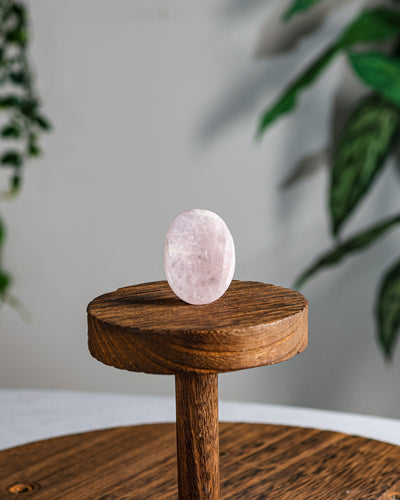
Where you place a crystal can become part of how you experience your home. A grounding stone beside the front door may serve as a reminder to leave the outside world outside. A calming crystal near the bed can help create a quieter evening atmosphere. A stone associated with focus on your desk can become a small visual cue to return to your priorities.
There is no single correct crystal layout for every home. Crystal placement is ultimately an intentional practice: consider what happens in a room, how you want that space to feel, and which crystal associations support that purpose.
For beginners, it can be helpful to start with only a few stones rather than placing crystals everywhere at once. Choose the spaces that affect your daily life most, then notice how each placement feels over time.
How Crystal Placement Works in the Home
A useful way to think about crystal placement is to match the energy traditionally associated with a stone to the purpose of a room.
An entrance is about boundaries and transitions. A bedroom is about rest and intimacy. A workspace needs concentration and momentum. A living room often benefits from warmth, harmony, and grounding.
The crystal does not have to dominate the room. A small tumbled stone on a nightstand, a specimen on a bookshelf, or a crystal dish near the entryway can be enough to make the placement meaningful.
Your practical environment matters too. Direct sunlight can fade some colored crystals over time, including Amethyst and Rose Quartz. Softer stones such as Selenite should be kept dry and away from humid areas, while delicate specimens should be positioned where they are unlikely to be knocked over.
Crystal Support for Your Home
These versatile crystals can support several areas of the home, depending on the intention you give them.
| Crystal | Why it supports this topic | Best for |
|---|---|---|
| Black Tourmaline | Traditionally associated with grounding, protection, and energetic boundaries | Front doors, entryways, busy shared spaces |
| Selenite | Associated with cleansing, clarity, and a peaceful atmosphere | Entry tables, meditation spaces, shelves |
| Rose Quartz | Connected with compassion, emotional softness, and harmonious relationships | Bedrooms, living rooms, self-care spaces |
| Amethyst | Often used for calm, reflection, and intuitive awareness | Bedrooms, meditation areas, quiet corners |
| Clear Quartz | A versatile crystal commonly used for clarity and amplifying intentions | Central spaces, altars, workspaces |
| Citrine | Associated with optimism, confidence, motivation, and abundance | Workspaces, kitchens, creative areas |
| Fluorite | Traditionally connected with concentration, organization, and mental clarity | Desks, offices, study areas |
| Smoky Quartz | Associated with grounding, emotional release, and settling scattered energy | Living rooms, workspaces, transition areas |
Front Entrance: Protection, Grounding, and Clear Boundaries
Your entrance is the energetic threshold between your private space and the outside world, making it one of the most natural places to begin.
Black Tourmaline is a popular choice here because it is traditionally associated with grounding, protection, and personal boundaries. Sage Spirits specifically describes it as a stone people often keep by the door and connects it with creating a sense of energetic separation from outside influences.
Place a piece on an entry table, console, or shelf close to the door. If your entrance tends to feel chaotic, pairing it with Selenite can create a symbolic combination of grounding and clearing.
You do not need to hide protective crystals in corners unless that placement feels meaningful to you. Keeping them somewhere visible can turn arriving home into a simple ritual: notice the crystal, put down your keys, and consciously shift out of the energy of the day.
Bedroom: Calm, Connection, and Rest
The bedroom generally benefits from gentler energy. This is usually not the place to crowd a nightstand with every crystal you own.
Rose Quartz is a natural choice when you want the room to feel softer, more compassionate, or connected. It can be placed on a dresser, nightstand, or shared shelf and is commonly associated with love in its many forms, including self-love and relationship harmony.
Amethyst is another traditional bedroom crystal because of its association with calm, introspection, and spiritual reflection. Place it somewhere you can see during your evening routine rather than directly in a sunny window, since prolonged sunlight may fade its color.
If you find a particular crystal energizing rather than relaxing, move it farther from the bed. Personal response matters more than following a rigid placement chart.
A Simple Bedside Practice
Before sleep, hold your chosen bedroom crystal for a few moments and identify what you are ready to put down for the night. You might name a worry, unfinished task, or conversation that can wait until tomorrow.
Return the crystal to its place and allow that small action to mark the transition from doing to resting.
Living Room: Harmony and Welcoming Energy
Living rooms collect energy because they are where people gather, talk, relax, entertain, and move through everyday life.
Clear Quartz works well in a central location because it is traditionally considered a versatile stone for clarity and intention. A larger point, cluster, or polished piece can become an intentional focal point on a shelf or coffee table. Sage Spirits describes Clear Quartz as especially adaptable and commonly paired with other crystals.
Rose Quartz can bring a softer emphasis to shared spaces, especially when your intention is compassion, family connection, or peaceful conversation.
Smoky Quartz is useful when the room tends to feel overstimulating or energetically busy. Its grounding associations make it a natural companion for spaces where many people come and go.
Rather than choosing crystals only because their colors match your décor, ask what you want people to experience when they enter the room. Then let the crystals reinforce that intention.
Workspace or Home Office: Focus, Clarity, and Motivation
A workspace is one of the easiest places to use crystals practically because you can connect each stone with a specific work habit.
Fluorite is traditionally associated with organization, concentration, and mental clarity, making it especially suited to desks, study spaces, and creative work areas. Sage Spirits also describes Fluorite as a natural study and desk companion.
Citrine can be added when you want to emphasize motivation, confidence, creativity, or an abundance-oriented mindset. Clear Quartz works well when you have a specific intention or project you want to keep mentally visible.
Black Tourmaline or Smoky Quartz can help symbolically separate work stress from the rest of the home, particularly if your office is also part of a bedroom or living area.
Create an Intention Point on Your Desk
Choose one to three crystals rather than covering the entire desk. Place them somewhere visible but outside your main working area.
When you begin work, take a moment to identify your priority for the session. This turns the crystals into an intentional cue rather than another decorative object competing for attention.
Kitchen and Dining Area: Warmth, Creativity, and Nourishment
The kitchen is associated with nourishment, gathering, creativity, and the resources that support everyday life.
Citrine is a cheerful choice for this space because of its traditional connection with abundance, optimism, confidence, and motivation. A piece on a shelf, breakfast nook, or dining-room sideboard can support an intention of warmth and generosity.
Clear Quartz can also work well in a central dining or gathering area, especially when you want a neutral crystal that can be connected with many intentions.
Keep crystals away from active cooking surfaces. Steam, grease, food splatter, sudden temperature changes, and accidental knocks can all make the area immediately beside a stove or sink a poor display location.
Crystals do not need to sit beside ingredients or cookware to become part of a kitchen ritual. A nearby shelf or dining table usually provides a safer and more intentional home.
Bathroom and Self-Care Spaces: Choose Placement Carefully
Bathrooms may seem like natural spaces for calming crystals, but they require more care because of humidity, water, cleaning products, and hard surfaces.
Rose Quartz can be a lovely symbolic companion for a self-care area, but keep it somewhere protected rather than leaving it in standing water.
Selenite should generally be kept out of wet or humid locations. It is a very soft form of gypsum and can be damaged by water, so a steamy shower ledge or the edge of a bathtub is not an ideal home for it.
If you want crystal energy in the bathroom, consider placing a suitable stone on a dry shelf away from the sink and shower rather than directly around water.
Meditation, Altar, or Quiet Corner: Intention and Reflection
If you have a meditation area, altar, reading chair, or simply a quiet corner of the house, this can be one of the most personal places for crystals.
Amethyst supports a reflective atmosphere and is traditionally connected with calm and intuitive awareness. Selenite can represent clarity and energetic cleansing, while Clear Quartz can hold a specific intention for your practice.
You can also rotate crystals through this space rather than leaving the same arrangement permanently. A quiet corner can become a place to work intentionally with whichever stone feels relevant to your current season of life.
Keep the arrangement simple enough that you can clean and care for it easily. A meaningful altar does not need to become a storage area for every crystal in your collection.
Hallways, Bookshelves, and Other Transition Spaces
Not every crystal needs a dedicated ritual area. Transitional spaces can be surprisingly useful.
Smoky Quartz or Black Tourmaline can be placed near a doorway between a busy area and a restful one, creating a symbolic boundary between different parts of the home.
Selenite can sit on a high, dry shelf where its delicate surface is less likely to be bumped. Clear Quartz can work almost anywhere that you want a visible reminder of an intention.
Bookshelves are especially practical because they usually provide stable display surfaces while keeping crystals away from water, food, and heavy traffic.
Where You May Not Want to Keep Crystals
Good placement is partly about knowing where not to put them.
Avoid prolonged direct sunlight for crystals whose color may fade, particularly stones such as Amethyst and Rose Quartz. Keep Selenite away from water and high humidity. Fluorite is comparatively soft and can chip, so avoid unstable ledges or places where it may be dropped.
Also think about ordinary household safety. Heavy specimens should sit on stable surfaces. Sharp clusters and points should be placed carefully in homes with young children or curious pets. Valuable or fragile pieces are usually better on secure shelves than on the edge of a table.
Most importantly, avoid forcing a crystal into a room simply because a guide says it belongs there. If a stone feels distracting on your desk or too stimulating beside your bed, move it.
How to Choose the Right Placement for Any Crystal
When you are unsure where a crystal should live, ask three simple questions.
What happens in this space?
Start with the room itself. Do you sleep, concentrate, socialize, create, cook, meditate, or transition through it?
What quality do you want more of?
Choose a clear intention such as calm, focus, grounding, warmth, connection, protection, or creativity.
Is the location physically safe for the crystal?
Check sunlight, moisture, heat, stability, and the likelihood of the stone being bumped or dropped.
Once those three things align, you have found a thoughtful placement. You can always change it later.
Related Crystals
Once you become comfortable placing a few foundational stones throughout your home, you may want to explore complementary crystals with more specific energetic associations.
- Pyrite for confidence, prosperity, and goal-oriented spaces
- Carnelian for creative rooms and areas where you want more momentum
- Green Aventurine for growth, optimism, and welcoming spaces
- Labradorite for reflective areas, creative studios, and personal spiritual practice
Final Reflection
The best place for a crystal is not determined by a complicated set of rules. It is the place where its meaning, your intention, and the practical needs of the stone come together.
Begin with the rooms you use most. Place Black Tourmaline near an entrance if you want a stronger sense of grounding when you return home. Keep Rose Quartz where you want to nurture softness and connection. Let Fluorite become a reminder to focus when you sit down at your desk. Give Amethyst a quiet corner where evening naturally begins.
Over time, your home can become a living map of your intentions. The crystals are not there simply to fill shelves. They can become small, tangible reminders of how you want to move, rest, work, connect, and care for the space around you.