When a hard week has left your heart guarded and your home feeling sharp at the edges, Rose is the flower people have reached for longer than almost any other. Dried at the bud and kept on altars, in sachets and in bathwater, it is the classic botanical for love and relationships and for calm and stress relief, softening what has gone tense without leaving you unprotected. Venus has claimed it since antiquity, and it still does her work quietly: one handful, and the room feels kinder.
Key Traits
- Small, tightly closed buds in shades of pink with a soft, sweet floral scent
- Usually the damask rose or cabbage rose, picked and dried before the flower opens
- Ruled by Venus and the element of Water in Cunningham's herbal
- The flower behind sub rosa, the old Latin phrase for keeping a confidence
- Used whole on altars, in sachets and in ritual baths rather than burned as a bundle
Intentions
Brief Overview
Rose buds are the dried, unopened flowers of fragrant roses, most often the damask rose, Rosa x damascena, or the cabbage rose, Rosa x centifolia. Scott Cunningham places the rose under Venus and the element of Water and lists love, psychic powers, love divination, luck and protection among its powers. Few plants have travelled so far with people: roses may have been grown in China as early as 3000 BCE, Egyptians bathed in rosewater, and the physician Avicenna is credited with first distilling rose oil in the tenth century.
Properties
Rose works as a softening, heart-opening presence that still knows how to keep its thorns. Its buds are scattered on an altar to call in love, sewn into sachets for a pillow or a drawer, or steeped into bathwater as a small ritual of self-care. Tradition also links it to dreams and intuition, which is why it so often sits beside the bed. It does not clear a space the way sage does; it sweetens one, and makes it a place where tenderness feels safe.
Metaphysical Properties
- Long associated with love, attraction and the steady warmth of lasting relationships
- Traditionally scattered through the home to soften tension and restore harmony
- Kept close as a gentle protection for the heart and the household
- Linked in folk tradition to prophetic dreams and quiet intuition
- Added to ritual baths as an act of self-care and self-love
Physical Properties
- Type – Dried flower buds, genus Rosa, family Rosaceae
- Color – Soft to deep pink petals cupped in green sepals
- Surface – Papery, velvety petals over a firm, dry bud base
- Structure – Tightly closed whorls of petals around a small central receptacle
Meaning & Energy
Rose carries the paradox every gardener knows: the softest flower on the plant grows beside its sharpest defence. That is its whole character in ritual. It opens the heart, but on its own terms, inviting love in while keeping watch at the door. Where other botanicals scrub a space clean, rose makes it gentle, and teaches that tenderness and boundaries can grow on the same stem.
Emotions
Reach for Rose when your heart has gone quiet and guarded, whether from grief, a strained relationship, or simply too many days of looking after everyone but yourself. A few buds in a warm bath or on your nightstand can become your signal to soften. You are not asked to fix anything here. You are invited to be held, to remember you are worth the same care you give others, and to let love back in at a pace that feels safe.
Crystal Pairings
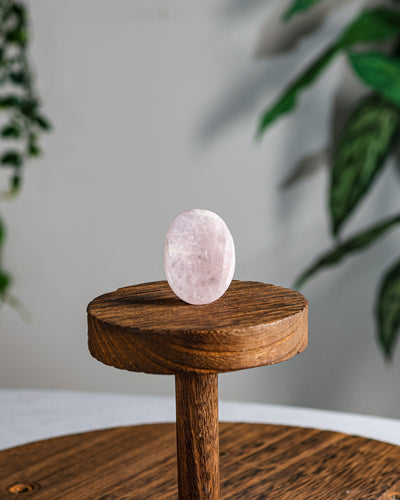
- Rose Quartz – Doubles Rose's heart-opening, self-loving warmth
- Lavender – Adds evening calm to a rose bath or pillow sachet
- Amethyst – Deepens the dreamwork Rose is traditionally kept beside the bed for
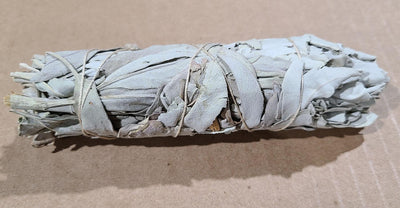
- White Sage – Clears the space first so Rose can sweeten what remains
Science & Origin
Rose buds are the dried flowers of cultivated roses, chiefly Rosa x damascena and Rosa x centifolia, grown for perfume, rosewater and dried flowers across Morocco, Iran, Pakistan, Bulgaria and Turkey. The damask rose is an ancient hybrid whose oil Avicenna is credited with first distilling in the tenth century, and it reached Bulgaria's rose fields under Ottoman rule in the seventeenth century. Its scent comes chiefly from citronellol, geraniol, nerol and 2-phenylethyl alcohol.
- Also Known As – Rose Buds, Damask Rose, Cabbage Rose, Rosa damascena
- Formation – Unopened flowers of cultivated roses, hand-picked at the bud and air-dried
- First Discovery – Possibly cultivated in China as early as 3000 BCE; the first fossil rose species, Rosa hilliae, was described from Colorado's Florissant Fossil Beds in 1883
- Safety Note – Sold for altar, sachet and ritual bath use, not as food; smoulder only a pinch, with ventilation
Ancient Myths
- Greek myth tells that Eros gave a rose to Harpocrates, god of silence, to keep the gods' secrets, which is why sub rosa, under the rose, came to mean in confidence, and roses were carved into banquet rooms and confessionals.
- In one Greek telling, the goddess Chloris breathed life into a lifeless nymph to make the first rose, Dionysus gave it its perfume, and Aphrodite gave it its name.
- Folk tradition recorded by Scott Cunningham holds that rosebud tea taken before sleep brings prophetic dreams, a thread in the rose's long association with love divination and psychic powers.
Chakras Table
| Chakra | Connection | Healing Focus | Energy Type |
|---|---|---|---|
| Heart | Primary | Opening a guarded heart to love and self-compassion | Soft and nurturing |
| Third Eye | Secondary | Quieting the mind toward dreams and intuition | Gentle and receptive |
Planets Table
| Planet | Influence | Energy |
|---|---|---|
| Venus | Traditional rulership of love, beauty and harmony | Warm and attracting |
Zodiacs Table
| Zodiac | Attribute | Benefit |
|---|---|---|
| Taurus | Sensual, loyal, devoted to comfort | Deepens Rose's steady, grounded affection |
| Libra | Harmonious, romantic, relationship-minded | Supports balance and kindness in partnership |
Elements Table
| Element | Power | Aspect |
|---|---|---|
| Water | Emotion, intuition, flow | Carries Rose's softening, heart-centered tenderness |
Sacred Numbers Table
| Number | Vibration | Meaning |
|---|---|---|
| 6 | Love, harmony and care for the home | Reflects Venus, the planet that rules Rose |
Color Variations
- Soft pink – The classic shade of dried damask rose buds
- Deep pink – Richer buds from darker-flowered varieties
- Red – Buds from red roses, long tied to passion and devotion
- Cream – Pale buds from white and blush roses
Mohs Scale Hardness
Rose has no Mohs value, since the scale measures mineral hardness and this is a dried botanical. In practical terms, treat the buds as fragile: they crumble under pressure and shed petals when handled roughly, so store them where they will not be crushed.
Chemical Formula
Rose has no single formula, but its sweet scent comes chiefly from citronellol, C10H20O, alongside geraniol, nerol and 2-phenylethyl alcohol in the petals' volatile oils.
- Carbon (C) – 10 atoms forming citronellol's branched carbon chain
- Hydrogen (H) – 20 atoms completing the molecule's bonds
- Oxygen (O) – 1 atom in the alcohol group behind its soft, floral note
Summary of Composition
- Mineral Class – None; botanical, family Rosaceae, genus Rosa
- Crystal System – Not applicable; dried flower of a woody shrub
- Transparency – Opaque
- Surface – Papery and velvety, matte once dried
Care Instructions
- Store your buds in a sealed jar or bag away from sunlight and humidity to keep their color
- Tie them in a muslin bag before adding to a bath so petals do not clog your drain
- If you burn them, use only a pinch on charcoal in a heatproof dish and never leave it unattended
- Refresh your altar or sachet buds every few months, since dried rose fades with time
Final Summary
Rose has been the flower of love for as long as people have written about flowers, and it has never needed to shout. Keep a handful where you rest, bathe or pray, and let it remind you that being soft and being safe were never opposites.