Sterling silver has a cool, mirror-bright surface that catches light the way still water catches the moon, and for centuries it has been worn as much for what it reflects back as for what it is. As a material chosen for intuition & clarity and protection, it suits anyone who wants a metal that feels quietly watchful rather than merely decorative. It is soft enough to shape into fine detail yet strong enough, thanks to a careful alloy, to be worn every day. This is a metal with a long memory of moonlight, folklore, and craftsmanship behind it.
Key Traits
- 92.5% pure silver alloyed with 7.5% copper for durability
- Bright, cool-white metallic luster
- Long-standing association with the Moon and lunar tradition
- Softer than most fine jewelry metals, so it takes detail beautifully
- Develops a natural tarnish that polishes away with care
Intentions
Brief Overview
Sterling silver is not a mineral pulled whole from the earth but a deliberate alloy, 92.5% silver joined with 7.5% copper, built to solve a simple problem: pure silver is too soft to hold its shape in everyday wear. The result is a metal that keeps silver's brilliant, cool shine while gaining the strength to be shaped into rings, chains, and cuffs that last. Its history runs from medieval English minting standards to lunar folklore, giving it a dual identity as both a practical material and a symbolic one.
Properties
Sterling silver is prized for its reflectivity and its cool, adaptable presence against the skin. It takes a high polish easily, holds fine detail in casting and stonesetting, and pairs cleanly with nearly any gemstone without competing for attention. Its long association with the Moon gives it a quieter, more receptive character than gold's solar brightness, making it a natural choice for pieces meant to support reflection rather than announce ambition.
Metaphysical Properties
- Traditionally worn to support clear thinking and steady intuition
- Long associated with protective folklore, from amulets to mirrors
- Linked to lunar cycles and quieter, more reflective states of mind
- Considered a calming metal to wear during periods of overstimulation
- Valued as a grounding complement to more emotionally charged stones
Physical Properties
- Type: Native element alloy (silver and copper)
- Color: Cool white-grey, brightening to near-white when polished
- Luster: Metallic
- Structure: Cubic (face-centered cubic silver lattice)
Meaning & Energy
Silver has carried lunar meaning since antiquity, standing opposite gold's solar warmth as the metal of reflection, intuition, and quiet vigilance. Sterling silver inherits that symbolism while adding a layer of intention: the copper that strengthens it was added by human hands, not nature, making every piece a small collaboration between raw material and craft. Worn close to the skin, it reads less as a statement of power and more as a companion for noticing what is actually happening beneath the surface of a day.
Emotions
When your thoughts feel scattered or your nerves feel worn thin, sterling silver offers something to hold onto that is cool, steady, and unhurried. You may notice it easiest to wear on days when you need to trust a hunch instead of a spreadsheet, or when you want a small, physical reminder to pause before reacting. Its association with protection can feel less like a shield and more like a companion at your side, quietly there while you find your footing.
Crystal Pairings
- Moonstone – deepens sterling silver's lunar, intuitive character
- Clear Quartz – sharpens the clarity silver already leans toward
- Selenite – adds a calming, quieting counterpart to silver's protective lore
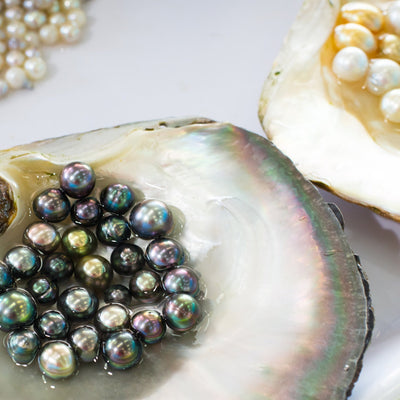
- Pearl – pairs naturally through their shared oceanic and lunar history
Science & Origin
Silver is the element Ag, and sterling silver is defined precisely: 92.5% silver with 7.5% copper added for strength, a ratio stamped as "925" on finished pieces. That copper addition raises the alloy's hardness just above pure silver's, making it practical for rings and bracelets that see daily wear.
- Also Known As: 925 Silver, Silver
- Formation: Alloyed by combining fine silver with copper in a fixed 92.5:7.5 ratio
- First Discovery: Silver worked since antiquity; the sterling standard codified in 12th-century England
- Safety Note: Tarnish is natural and polishable; some wearers with copper sensitivity may notice mild skin reactions; keep away from sulfur-rich environments
Ancient Myths
- In classical alchemy and mythology, silver was paired with the Moon and lunar goddesses such as Artemis and Diana, its pale shine believed to mirror moonlight itself.
- The sterling standard of 92.5% silver was formally codified in 12th-century England, becoming the enduring benchmark for fine silverwork across Europe.
- Folk tradition held that silver could repel evil and the supernatural, giving rise to lore about silver bullets, protective amulets, and silver mirrors believed to turn away harmful influences.
Chakras Table
| Chakra | Connection | Healing Focus | Energy Type |
|---|---|---|---|
| Third Eye | Intuitive perception | Trusting subtle insight | Receptive |
| Crown | Reflective awareness | Quieting mental noise | Receptive |
Planets Table
| Planet | Influence | Energy |
|---|---|---|
| Moon | Intuition, reflection, and emotional tides | Receptive |
Zodiacs Table
| Zodiac | Attribute | Benefit |
|---|---|---|
| Cancer | Moon-ruled sensitivity | Supports emotional steadiness and intuitive trust |
Elements Table
| Element | Power | Aspect |
|---|---|---|
| Water | Reflection and emotional flow | Receptive |
Sacred Numbers Table
| Number | Vibration | Meaning |
|---|---|---|
| 2 | Duality and balance | Partnership between intuition and reason, mirrored in silver's own paired alloy |
Color Variations
- Bright polish: a high-shine, mirror-like white finish
- Satin: a soft, matte-white surface with muted reflection
- Oxidized or antiqued: darkened recesses that emphasize texture and detail
- Mirror finish: an ultra-reflective surface polished to near-flawless clarity
Mohs Scale Hardness
Sterling silver sits at roughly 2.8 on the Mohs scale, slightly harder than pure fine silver thanks to its copper content, but still soft compared to stones like quartz or diamond. In practical terms, this means it resists everyday bending and shaping better than pure silver, but it can still scratch against harder surfaces, so it is best stored separately from coarser jewelry and gemstones.
Chemical Formula
Sterling silver's composition is fixed by definition as Ag₉₂.₅Cu₇.₅, meaning 92.5% silver combined with 7.5% copper by mass.
- Ag (Silver): 92.5%
- Cu (Copper): 7.5%
Summary of Composition
- Mineral Class: Native element alloy
- Crystal System: Cubic (face-centered cubic)
- Transparency: Opaque
- Luster: Metallic
Care Instructions
- Store in an anti-tarnish bag or a cloth-lined box away from air and light
- Polish with a dedicated silver polishing cloth to restore shine
- Remove before swimming, bathing, or using chlorine and perfume
- Keep away from sulfur-rich environments such as hot springs and certain cosmetics
Final Summary
Sterling silver endures because it was built for exactly this: strong enough for daily life, bright enough to hold its own beside any stone, and steeped in enough lunar history to feel like more than metal. Worn close to the skin, it becomes a quiet companion for clearer thinking and calmer days, a small, cool weight that asks you to notice before you react.