A spring equinox ritual can be as simple as one cleared surface, a few stones, and ten unhurried minutes. In the Northern Hemisphere the equinox falls around March 20, when day and night are close to equal and the light begins to outlast the dark. This practice is built for that balance: a moment to set down what winter asked of you and plant something for the months ahead.
What Ostara Means
Ostara is the modern Pagan name for the spring equinox, one of eight festivals on the Wheel of the Year. The name echoes Eostre, a goddess the monk Bede recorded in the eighth century as the namesake of an Old English spring month. How widely she was honored is still debated, and the Wheel of the Year as we know it took shape in the twentieth century. What holds steady is the season itself: seeds wake, soil warms, and people feel the pull to begin again.
What the Equinox Tends to Stir Up
Some people feel lifted by the equinox. Others feel restless or tender, as if the world is speeding up before they are ready. Both are ordinary responses to a threshold, and many people reach for stones tied to Grounding & Stability as the season turns. The Sun also moves into Aries, the sign of first steps, so the equinox carries a push to start as well as to finish.
Five Stones for the Equinox
You only need one or two of these. Choose by what you most need, not by how many you own.
Clear Quartz and Smoky Quartz make a natural pair for a day of equal light and dark. Clear Quartz is traditionally used to amplify an intention, and it holds the one you give it until you clear it. Smoky Quartz is its darker twin, a Root Chakra stone that draws heavy energy toward the earth and supports letting go.
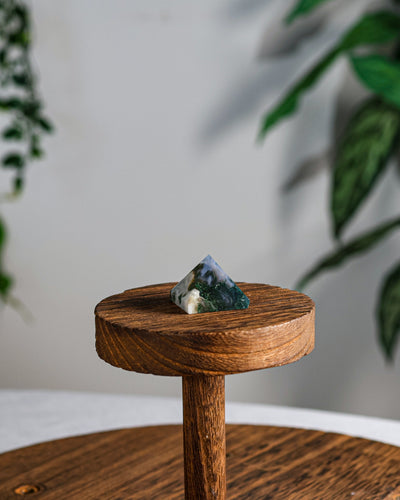
Moss Agate, also called Mocha Stone, is the gardener's stone. Folk tradition hung it on plows and tools to call in a good harvest, and crystal tradition ties it to new beginnings and steady, rooted growth. The moss is pure mineral, iron and manganese oxides or green minerals such as chlorite, so no plant was ever sealed inside.
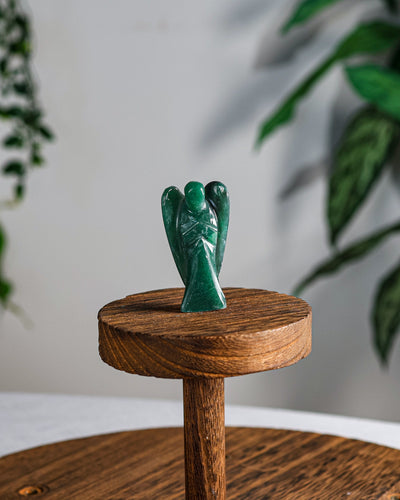
Green Aventurine is known as the Stone of Opportunity and is linked to the Heart Chakra. Its name comes from an Italian phrase meaning "by chance," and its shimmer comes from fuchsite mica. Hold it when you are ready to stop bracing against change.
Citrine is a golden quartz long linked to confidence, motivation, and the Solar Plexus Chakra, the center of will. Natural citrine is uncommon, and much of what is sold began as heat-treated amethyst, which is worth knowing when you choose a piece.
A Simple Spring Equinox Ritual
Choose a quiet hour at sunrise, midday, or sunset. Gather your stones, a candle if you use one safely, a small bowl of water, and two sheets of paper with a pen. Open a window or step outside for fresh air.
- Clear one surface. Wipe down a table, shelf, or windowsill and set your stones on it. One cleared surface is enough, and the tidying is part of the practice.
- Name what winter held. On the first sheet, write what you are ready to set down, such as a habit, a worry, or an old story. Hold Smoky Quartz while you read it once, then fold the page and tuck it beneath the bowl of water.
- Name what you want to grow. On the second sheet, write one to three intentions in plain words. Hold Clear Quartz while you read them aloud, so the stone has something clear to keep.
- Choose a seed stone. Pick Moss Agate for steady growth, Green Aventurine for openness to change, or Citrine for the courage to begin. Hold it over your heart for a few slow breaths.
- Close with a gesture. Thank the season in your own words. Pour the water onto soil or a houseplant, recycle the first sheet, and keep the second where you will see it. Moss Agate can rest on soil or beside a living plant to recharge.
The Days After
Check in with your intentions every few days and adjust the wording as the season moves. Carry your seed stone, set Citrine on your desk, or keep Green Aventurine in a pocket on days when a decision is waiting. Small, repeated attention does more for a new season than one large gesture.
On the evening of the equinox, step outside near sunset and notice how long the light lingers. Check again a week later. That slow lengthening is what the whole ritual is tuned to, and it is easy to see for yourself.